

Shaving Brush Recyclability: Programs for Disposing of Old Brushes Responsibly
Shaving Brush Recyclability: Programs for Disposing of Old Brushes Responsibly
In the era of heightened environmental awareness, even everyday grooming tools like shaving brushes are under scrutiny for their end-of-life impact. Traditional shaving brushes, often composed of mixed materials—from plastic or wooden handles to synthetic or natural bristles—pose unique challenges for recycling. As consumers increasingly prioritize sustainability, understanding shaving brush recyclability and the programs available for responsible disposal has become essential.
The Environmental Challenge of Old Shaving Brushes
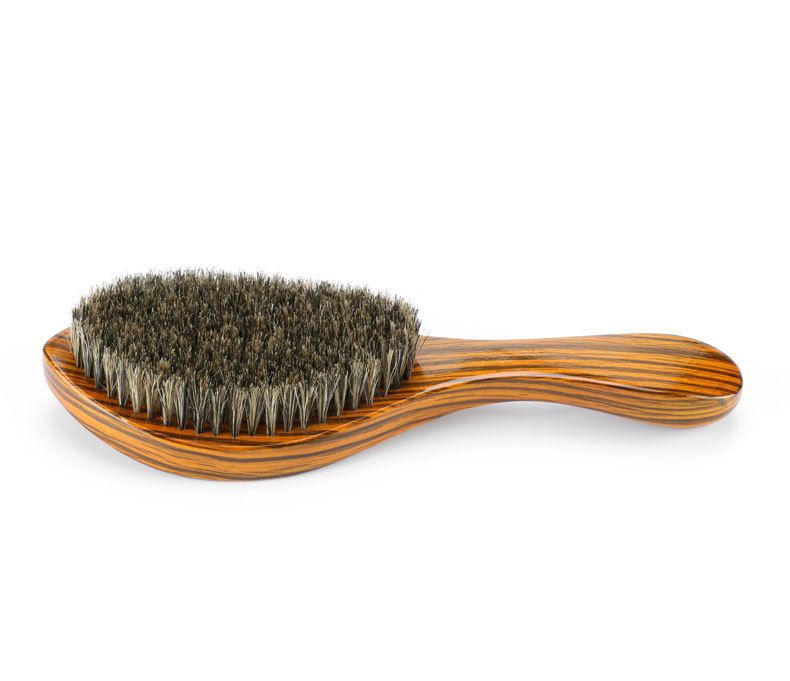
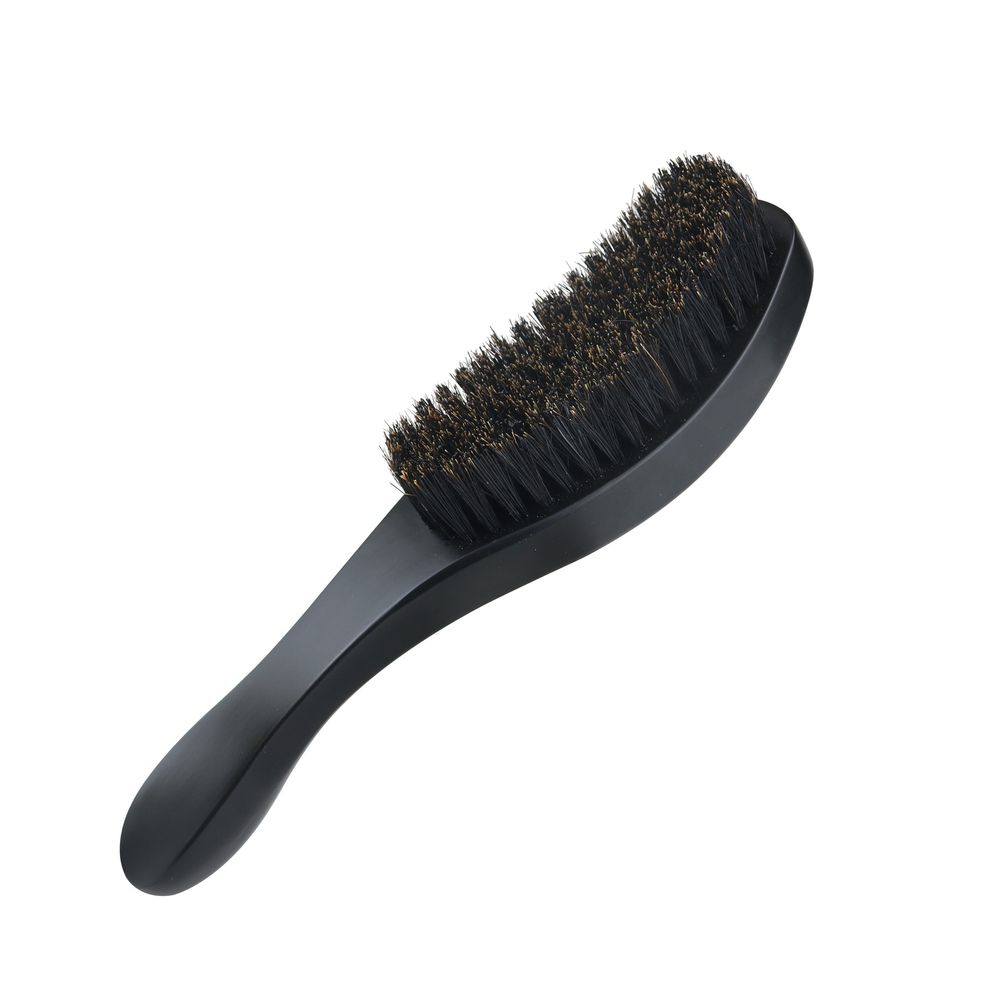
Shaving brushes are not typically single-material products. A standard brush may feature a handle made of plastic (e.g., ABS or polypropylene), wood, or metal, paired with bristles of nylon, boar hair, badger hair, or plant-based fibers. When discarded improperly, these components can end up in landfills, where plastics take centuries to decompose, and natural bristles, while biodegradable, may release methane if buried without oxygen. Worse, mixed-material construction often makes it difficult for standard recycling facilities to process them, leading to most old brushes being treated as general waste.
Key Materials: What’s Recyclable, What’s Not?
To address recyclability, it’s critical to break down a shaving brush into its parts:
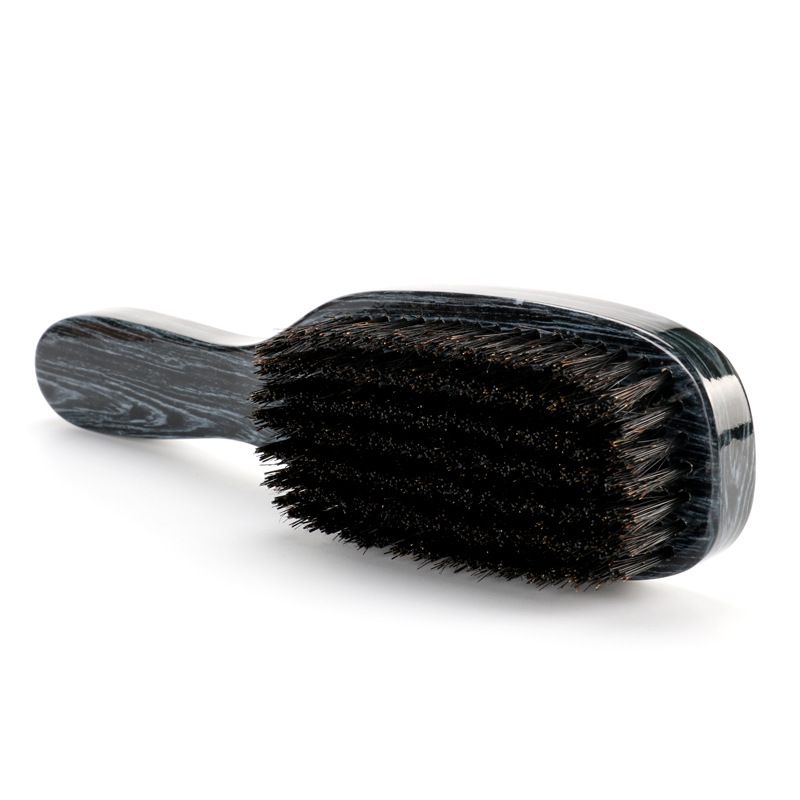
- Handles: Plastic handles (if labeled with resin codes 1 or 2, like PET or HDPE) are often recyclable through municipal programs, though decorative coatings or mixed plastics (e.g., with rubber grips) can complicate this. Wooden handles, if untreated, are biodegradable and can be composted, while metal handles (e.g., brass or stainless steel) are highly recyclable.
- Bristles: Synthetic bristles (nylon, polyester) are technically recyclable but rarely accepted in curbside bins due to their small size. Natural bristles (animal or plant-based) are biodegradable but may require specialized composting to avoid contamination.
Programs for Responsible Disposal
Thankfully, a growing number of initiatives are emerging to tackle old shaving brush waste:
1. Brand-Led Takeback Programs
Several premium shaving brands have launched recycling schemes to recover old brushes. For example, brands like The Art of Shaving and Truefitt & Hill offer mail-in programs where customers can send back used brushes. These brands disassemble the brushes, separating handles for material-specific recycling and bristles for appropriate disposal (e.g., composting natural fibers or sending synthetics to specialized plastic recyclers). Some even offer discounts on new purchases as an incentive.
2. Third-Party Recycling Platforms
Platforms like TerraCycle, known for recycling hard-to-process items, now include personal care tools in their programs. Users can sign up for a “Grooming Waste” box, fill it with old shaving brushes (alongside razors, combs, etc.), and ship it for free. TerraCycle then sorts and processes the materials: plastic handles are shredded into pellets for reuse, metal parts are melted down, and natural bristles are composted.
3. DIY Repurposing and Upcycling
For the craft-minded, old shaving brushes can find new life. Stiff synthetic bristles work well as small cleaning brushes for jewelry, keyboards, or grout. Wooden handles can be sanded and repainted as decorative holders or plant markers. This not only diverts waste but adds value to a product that might otherwise be discarded.
4. Community and Local Initiatives
Some eco-focused communities host “zero-waste” collection drives, where residents can drop off hard-to-recycle items like shaving brushes. Local recycling centers may also accept metal handles or certain plastics if separated, so checking with municipal guidelines is a practical first step.
The Path Forward: Challenges and Opportunities
Despite these programs, barriers remain. Many consumers are unaware of recycling options, and mixed-material brushes still require manual disassembly, which is labor-intensive. To scale impact, brands could design brushes with modular, single-material components (e.g., detachable handles and bristles) to simplify recycling. Additionally, education campaigns—through product packaging or social media—can inform users about proper disposal from the start.
Conclusion
Shaving brush recyclability is no longer an afterthought but a key part of sustainable grooming. By leveraging brand takeback programs, third-party platforms, or creative upcycling, consumers can ensure their old brushes don’t harm the planet. As the industry evolves, collaboration between brands, recyclers, and consumers will be vital to turning “disposable” tools into resources for the future.


